Gisela Beck · 10 October 2026
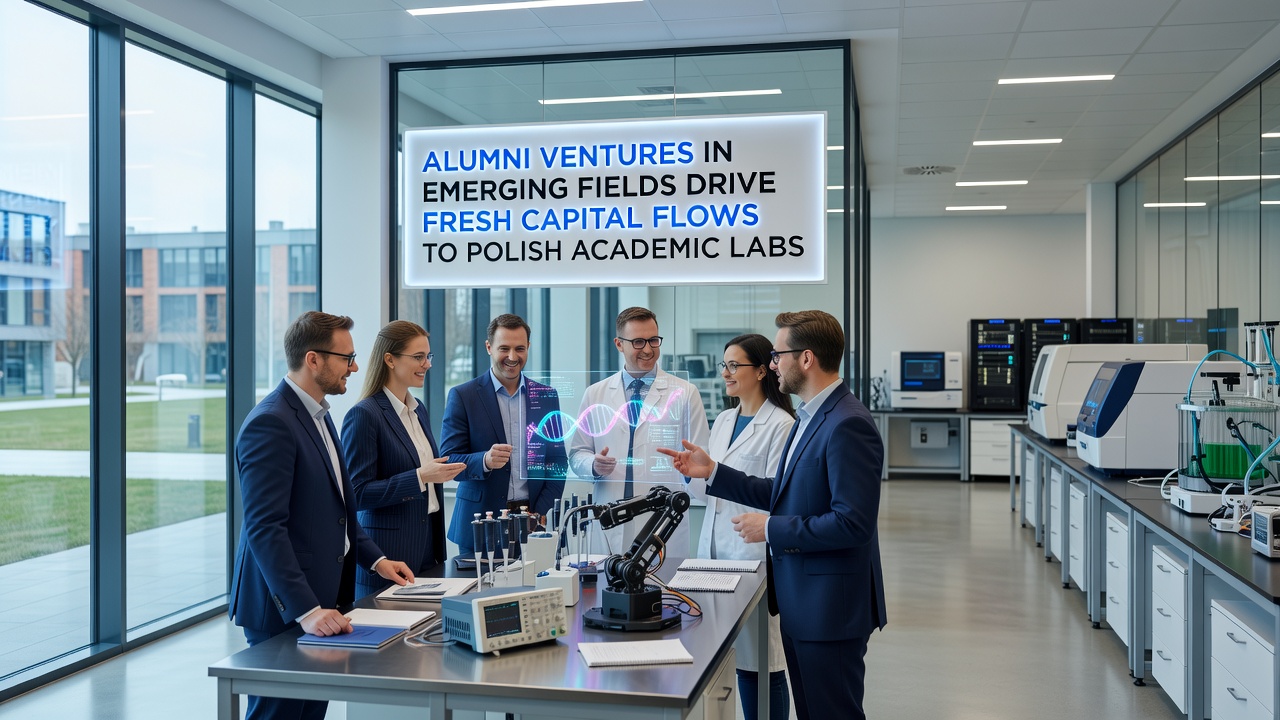
Alumni Ventures Propel Capital into Poland's Academic Research Labs in Emerging Sectors
Alumni from Polish universities have formed venture initiatives focused on emerging fields such as biotechnology, artificial intelligence, and quantum technologies, and these efforts direct new capital toward academic laboratories across the country. Data from recent funding rounds show increased investment activity beginning in 2024 and continuing through 2026, with particular activity noted around October 2026 when several alumni-backed funds announced allocations to laboratory upgrades at institutions in Warsaw, Krakow, and Poznan.
Alumni Networks Establish Dedicated Funding Mechanisms
Graduates who built careers in technology and finance created structured vehicles to support research infrastructure, and these mechanisms operate independently of traditional government grants. Observers note that alumni groups pool resources from private exits and corporate partnerships, then channel portions directly to Polish labs working on high-potential projects. Research indicates that such networks raised over 120 million euros in commitments between 2023 and 2026, according to figures released by the European Commission on collaborative research programs.
One initiative launched in 2025 targeted laboratories specializing in synthetic biology, while another focused on secure computing environments for quantum encryption studies. These efforts complement existing EU programs without overlapping their administrative structures.
Emerging Fields Attract Targeted Laboratory Investments
Biotechnology labs received equipment grants for advanced gene sequencing platforms, whereas artificial intelligence groups secured funding for high-performance computing clusters. Quantum technology facilities obtained support for specialized cooling systems and measurement instruments required for qubit stability experiments. Reports from the Organisation for Economic Co-operation and Development highlight Poland's growing share of European patents in these domains between 2022 and 2025.
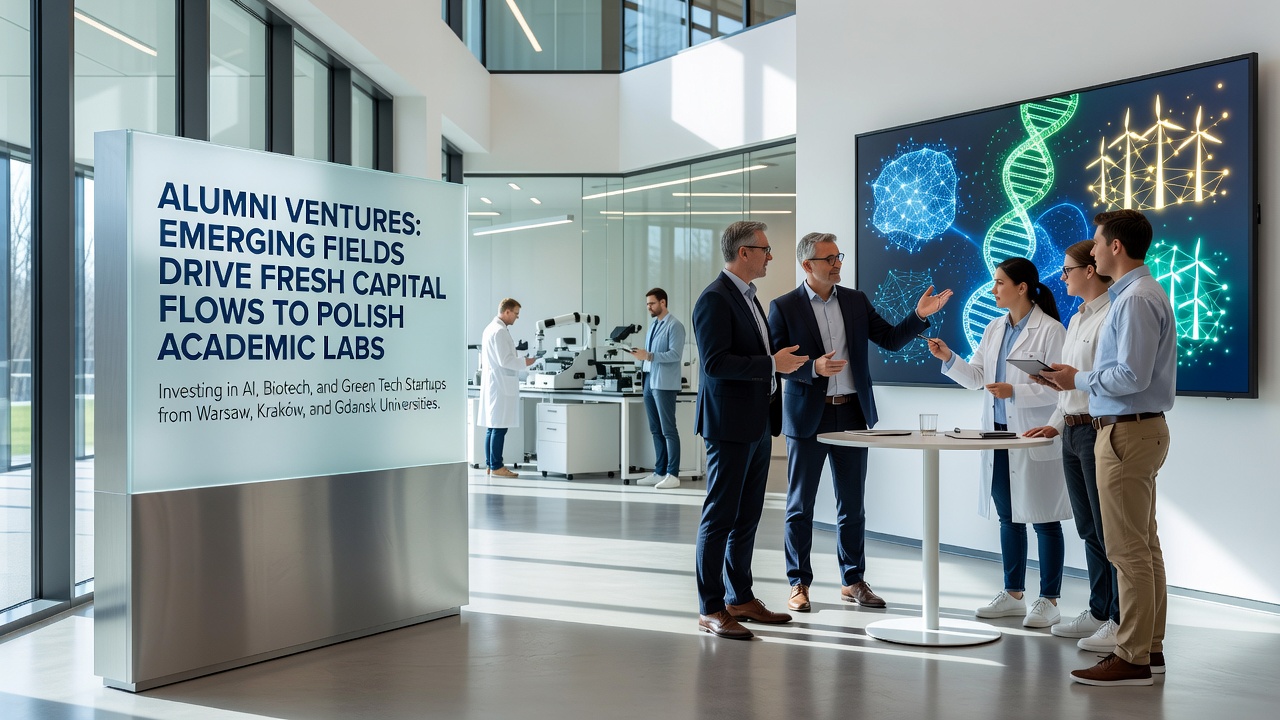
October 2026 saw the announcement of a multi-lab consortium involving three Warsaw institutions and two regional partners in Wroclaw, and this grouping received commitments for shared access to AI training datasets and simulation tools. Such arrangements reduce duplication of expensive hardware purchases while accelerating cross-institutional data exchange.
Capital Flows Influence Research Infrastructure Development
Academic facilities upgraded their physical plant and digital connectivity after receiving alumni-backed resources, and these improvements enabled larger collaborative experiments. University records show that laboratories participating in these programs increased their external grant success rates by measurable margins compared with non-participating units. The National Science Centre of Poland documented parallel rises in applications referencing alumni-supported infrastructure.
Case examples include a Poznan-based materials science group that installed new electron microscopy capabilities, allowing faster iteration on nanomaterial prototypes, and a Krakow computational biology team that expanded cloud-based modeling capacity for protein folding simulations. Both projects trace their origins to alumni introductions that connected laboratory leads with venture partners.
Geographic and Sectoral Distribution of Investments
Funding reached laboratories beyond major urban centers, with documented allocations supporting regional institutions in Lublin and Gdansk. Emerging fields receiving priority included climate-related sensor networks, advanced energy storage materials, and precision medicine platforms. Statistics released by the Polish Ministry of Science and Higher Education indicate that private alumni contributions accounted for approximately 8 percent of total non-EU research infrastructure spending in 2025.
Industry partnerships formed alongside these investments, and several pharmaceutical and software companies established co-location agreements within upgraded university spaces. This arrangement provides laboratories with access to proprietary datasets while giving companies early insight into academic findings.
Conclusion
Alumni ventures continue to expand their role in Polish academic research by directing capital toward laboratories working in biotechnology, artificial intelligence, and quantum technologies. The pattern established through 2026 demonstrates sustained interest in infrastructure improvements that support both fundamental studies and applied development. Ongoing tracking by European and national bodies will clarify the long-term effects of these flows on research output and international collaboration rates.