Gisela Otto · 24 October 2026
Marine Lab Findings from Northern Shores Inspire Fresh Environmental Ventures Through Expanded Cross-Border Student Ties
Marine laboratories along northern coastlines have produced datasets that highlight shifts in water chemistry and species distribution, and these records now feed directly into student-led environmental projects that cross national borders. Research teams at facilities in Poland, Germany, and Sweden have shared water column measurements and sediment core analyses collected through 2025, with updated observations extending into October 2026 that show continued changes in nutrient loading and microplastic concentrations.
Shared Data Sets Drive New Project Directions
Coordinated sampling programs have generated comparable records across the southern Baltic and adjacent North Sea zones, allowing exchange students to align their thesis work with identical protocols. Universities in Gdańsk and Kiel have expanded joint supervision agreements, while participants from Swedish institutions contribute sensor calibration methods that improve real-time monitoring accuracy. The combined information reveals seasonal patterns in dissolved oxygen levels and algal bloom timing that match satellite observations reported by the European Environment Agency.
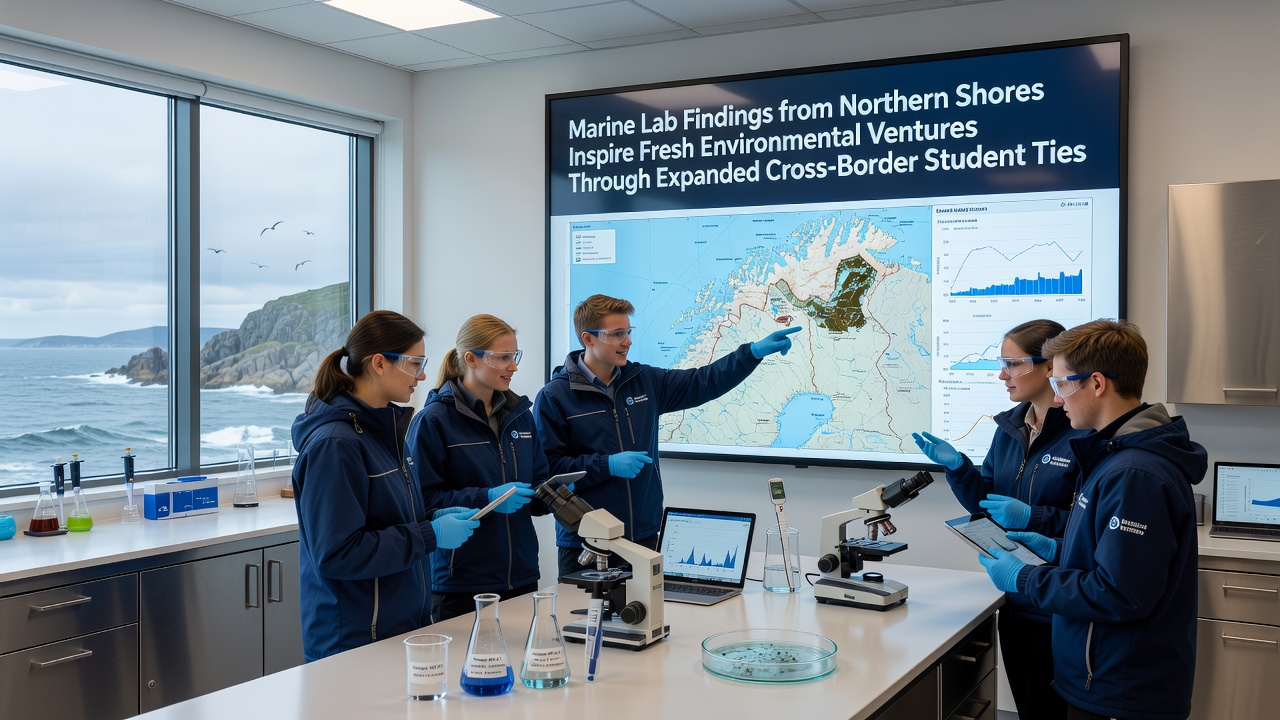
Students who rotate between partner labs apply these findings to prototype filtration units and biodegradable barrier materials, and several prototypes have moved from bench testing to small-scale field trials along protected shoreline segments. Cross-border teams document each iteration in shared digital repositories so that subsequent cohorts can replicate or modify the designs without starting from raw data collection.
Student Ventures Take Shape Through Exchange Networks
Environmental startup ideas have emerged from these exchanges, with groups registering ventures focused on coastal monitoring services and habitat restoration kits. One team based at a Polish university has licensed sensor housing designs developed during a semester at a German marine station, while a Swedish-led group has adapted sediment analysis techniques for use in commercial water quality kits. These projects receive seed funding through university innovation offices and regional development grants that require documented collaboration across at least two countries.
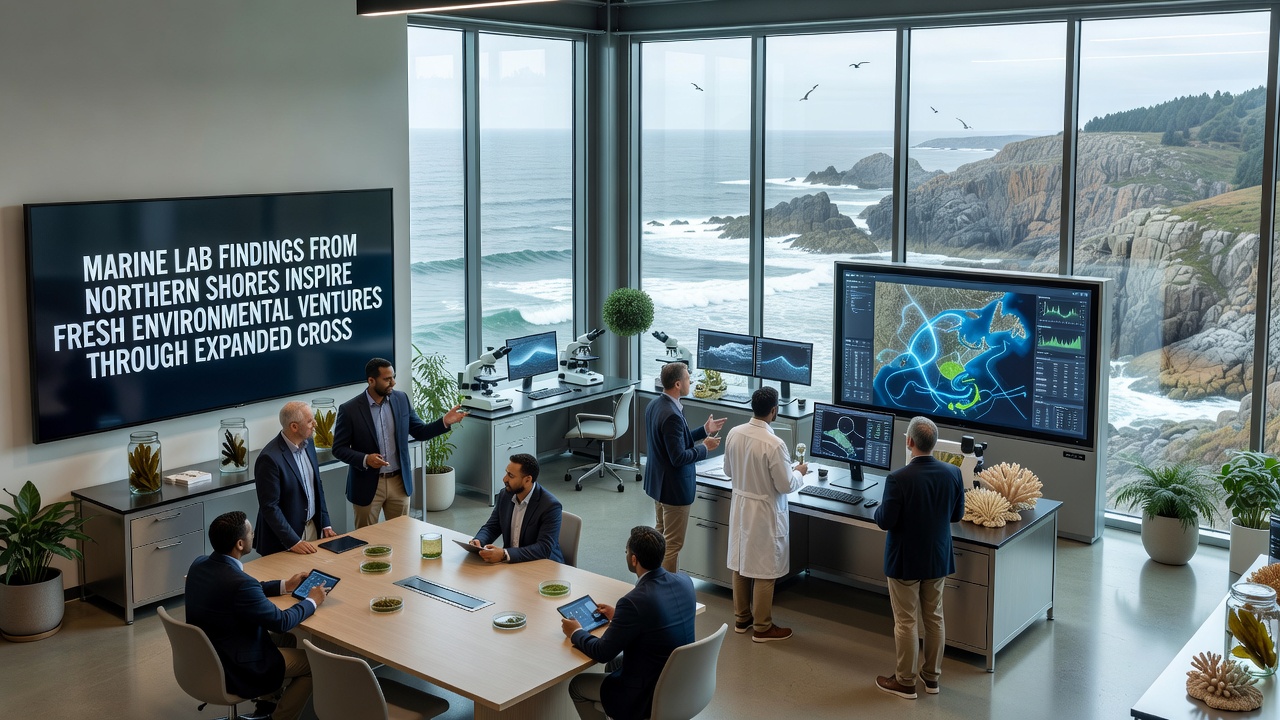
October 2026 workshops held at coastal stations have scheduled joint presentations where participants demonstrate how lab results translate into deployable tools. Attendance includes representatives from local municipalities and private firms that supply materials for the prototypes, creating direct pathways from academic findings to practical application. Records from these sessions show that participating students have filed preliminary patent applications for three distinct monitoring components since the previous academic year.
Institutional Agreements Support Ongoing Collaboration
Formal memoranda between marine institutes now include clauses that guarantee reciprocal access to analytical equipment and shared vessel time, reducing duplication of expensive cruises. Data management standards adopted by the network follow guidelines issued by the Intergovernmental Oceanographic Commission, which ensures compatibility with larger European marine observation systems. Faculty members note that the volume of co-authored student publications has increased steadily as these agreements have taken effect.
Training modules developed for incoming exchange participants cover both technical sampling methods and regulatory frameworks that govern cross-border environmental projects. These modules draw on case examples from earlier cohorts whose work contributed to municipal beach management plans and port authority dredging assessments. The structured approach allows new arrivals to integrate quickly into ongoing measurement campaigns rather than repeating baseline surveys.
Broader Regional Impacts and Future Steps
Findings from the northern shore laboratories have informed proposals submitted to EU research calls that emphasize climate adaptation along heavily used coastlines. Partners from additional Baltic states have expressed interest in joining the data-sharing platform, which would extend the geographic coverage and strengthen statistical power for trend detection. Funding agencies have flagged the student venture component as a model for translating research outputs into marketable services that address local environmental challenges.
Continued measurement campaigns scheduled through 2027 will track whether interventions developed by the exchange teams produce measurable changes in water quality indicators at test sites. Annual reports compiled by the network will compare pre- and post-intervention data, providing quantitative feedback that participating municipalities can use when planning larger-scale restoration efforts.
Conclusion
Marine laboratory outputs from northern shore sites have supplied the evidence base for student-initiated environmental ventures that operate across borders through structured exchange programs. Institutional agreements, standardized data protocols, and targeted training have accelerated the movement of findings from research vessels to prototype applications. Ongoing measurement series extending into late 2026 and beyond will supply the benchmarks needed to evaluate whether these ventures deliver measurable improvements in coastal conditions.